
Rance Timber: Rooted in Legacy, Built for Growth
After more than a century in family ownership, Eastern Cape forestry and sawmilling business Rance Timber entered a new chapter through its sale to New Forests. Standard Bank’s Business & Commercial Banking Corporate Finance Advisory team advised the shareholders, helping them address succession, reach international investors and manage a complex transaction.
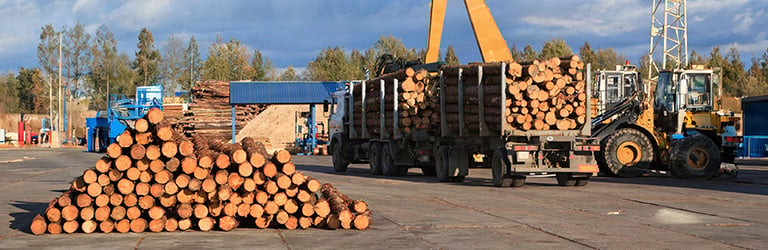
Founded by HC Rance in 1910, Rance Timber has developed into a vertically integrated operation spanning plantations, harvesting, sawmilling and product sales. Based near Stutterheim in the Amathole district, the business operates two sawmills and supplies SABS-approved structural timber to South Africa’s building industry.
As family members approached retirement without a clear succession solution, the shareholders wanted to realise the value built over four generations while protecting the business’s heritage and future prospects.
The transaction involved Famran Investments’ disposal of the entire issued share capital of Rance Timber to New Forests.
Finding the right owner
Selling a multigenerational family business is about more than price. The buyer must also understand its culture, operating model and long-term potential. These considerations were particularly important for Rance Timber, given its history, specialist activities and connection to the Amathole District community and the Eastern Cape forestry industry.
Forestry and sawmilling attract a relatively specialised investor pool. Finding a buyer with the necessary capital, sector knowledge and long-term outlook therefore required a focused search beyond the most obvious local candidates.
New Forests provided that strategic alignment. The global investment manager specialises in nature-based real assets and natural-capital strategies, including sustainable timber plantations. Rance Timber represents only its second investment in Africa.
Managing a complex transaction
Standard Bank acted as transaction advisor throughout the process. Its BCB Corporate Finance Advisory team performed a valuation of Rance Timber, prepared the marketing materials and ran a competitive process involving credible potential investors. The team also supported the family through the negotiations, working closely with the appointed legal advisers to document and conclude the sale.
Once a preferred bidder emerged, Standard Bank negotiated on behalf of Famran Investments to secure an attractive offer. The team also worked with the company’s legal and tax advisers to develop an efficient transaction structure. This required coordinating several pre-transaction steps before New Forests could invest.
Standard Bank also project-managed the transaction, including a vendor due diligence and the confirmatory due diligence required by the buyer. Bringing the financial, legal, tax and commercial workstreams together helped maintain momentum and manage the complexity of the process.
“Family-owned businesses are the backbone of our economy, but they face unique pressures when it comes to succession planning and realising value,” said Raven Moodley, Head: BCB Corporate Finance Advisory, Standard Bank South Africa. “The sale of Rance Timber is a prime example of how strategic, expert advice can overcome significant market challenges to achieve an optimal outcome for shareholders.”
The bank’s specialist expertise and wider investor network were important in securing the shareholders’ desired exit after two previous attempts to sell the business had been unsuccessful. Finding a solution that would honour the company’s deep-rooted family values and ensure its long-term sustainability were non-negotiables for the Rance Family. The deal demonstrates Standard Bank’s ability to connect established African businesses with international capital suited to their particular industries and ambitions.
Lessons for family businesses
The transaction highlights the importance of addressing succession before it becomes urgent. Shareholders should define their objectives early, including their financial expectations, preferred timing, legacy considerations and ambitions for the company after a sale. Clear priorities also make it easier to assess potential buyers consistently.
Thorough preparation is equally important. A credible valuation, effective marketing materials, organised due diligence and early attention to legal and tax matters can improve the quality of offers and the likelihood of completing a transaction.
The most obvious buyer is not necessarily the right one. For businesses in specialised sectors, a carefully targeted search can identify investors whose expertise, strategy and investment horizon are better aligned with the company’s needs.
For Rance Timber, the sale carries a South African business legacy established in 1910 into a new ownership chapter. It shows how thoughtful succession planning, the right investor and trusted advice can preserve what has been built while creating the foundation where real growth begins.