How to protect your wealth from cybercriminals
Your wealth is built carefully, protected strategically, and managed with discipline. Yet many private banking clients overlook one critical threat to their financial security: cybercrime.
As a high-net-worth individual, your financial resources make you a target. Hackers and fraudsters don't attack randomly; they target those with the most to lose. And they're sophisticated.
They use your trust against you, exploit your communication patterns with advisors, and create convincing illusions of legitimacy.
Protecting your assets is no longer just about investment strategy, insurance, and diversification. It's about protecting the digital pathways that connect you to your wealth.
What cybercriminals are really after
Cybercriminals don't always cast a wide net. Increasingly, they conduct research before attempting fraud.
Information gathered from social media, public records, business websites and professional networking platforms can help criminals build detailed profiles of potential victims.
They may use this information to do the following:
- Impersonate trusted advisors (private bankers, wealth managers, attorneys and accountants)
- Create convincing phishing emails
- Intercept property or investment transactions
- Manipulate payment instructions
- Gain access to sensitive financial information
The more visible your financial and professional profile, the more important it becomes to verify requests carefully and maintain strong digital security habits.
In other words, the target is not just your device; it is your financial life. That is why protecting your wealth means protecting your information, devices and habits that keep your money secure.
The three threats worth understanding
1. Voice-based fraud (vishing)
How it works
Scammers call impersonating your banker, financial advisor, or other trusted professionals. They sound convincing because they use wealth management terminology and reference current market events that affect investor portfolios.
They may ask you to verify sensitive information, transfer funds for “safekeeping”, or authorise transactions. They may use spoofed phone numbers or fake websites to appear legitimate.
Your defence
Never share personal banking information, OTPs, or CVV numbers over the phone, even if the caller claims to be from Standard Bank.
Always hang up and call your advisor directly using a number you know is legitimate. If something feels unusual, trust your instinct.
2. Malware and data theft
How it works
Malicious software (malware) is designed to steal your sign-in credentials and financial data or encrypt vital information until you pay ransom. It often arrives through unexpected email attachments, suspicious links, or compromised websites.
Once installed, malware runs silently in the background, capturing everything you type, including passwords, OTPs and account numbers, and sending it directly to criminals.
Your defence
Be cautious of unexpected emails with attachments, suspicious links, or requests to visit unfamiliar websites. Keep your antivirus software updated and don't click pop-ups asking you to download anything. Our emails are authenticated and safe. If you ever doubt an email's legitimacy, contact your advisor or our fraud line at 0800 222 050.
3. Identity theft
How it works
Cybercriminals steal personal information and use it to open accounts, commit fraud in your name, or drain your existing accounts. The damage extends beyond finances: your reputation and legacy are at stake.
Your defence
Destroy documents containing personal information before discarding them. Be extremely careful sharing personal details online or over the phone.
Consider identity monitoring services that alert you to potential threats.
| Simple ways to protect your wealth online | |
|---|---|
| Use strong, unique passwords Avoid using the same password across multiple accounts. Strong passwords should include a mix of letters, numbers and symbols and avoid easily guessed information such as birthdays or names. Consider using a secure password manager to help keep track of your passwords safely. |
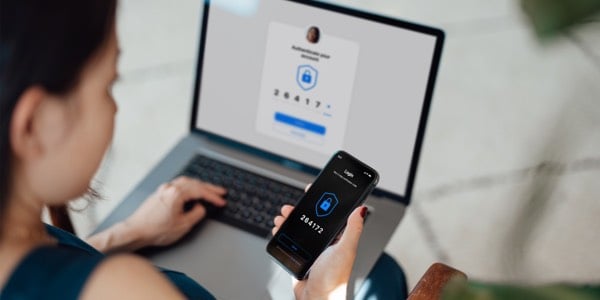
Enable two-factor authentication Two-factor authentication adds an extra layer of protection by requiring a second verification step when logging in to your accounts. Even if a password is compromised, this can help prevent unauthorised access. |
| Be cautious with links and attachments Avoid clicking on links or downloading attachments from unknown or suspicious messages. If something feels unusual, contact the company or individual directly using verified contact information rather than responding to the message itself. |
Protect your identity Keep your personal documents safe, avoid sharing ID numbers unnecessarily and be selective about what you post online. The more personal information cybercriminals can collect, the easier it becomes for them to target you. |
| Avoid public Wi-Fi for sensitive transactions Public Wi-Fi networks may not always be secure. Avoid logging in to banking apps or making sensitive transactions on unsecured public networks. |
Keep your devices updated Software updates often include important security improvements that help protect your devices from vulnerabilities and malware. Enable automatic updates where possible. |
Protecting your wealth requires a broader view
Cybercrime is no longer only a technology issue. It's a financial risk that can affect your assets, investments, personal information and long-term financial goals.
While cybercriminals continue to evolve their tactics, awareness remains one of the most effective forms of protection. Understanding common scams, verifying requests carefully and maintaining strong digital security habits can help reduce risk and safeguard the wealth you've worked hard to build.
|
If you suspect you've been targeted by a scam or that you’ve been the victim of fraud on your bank accounts, call the Standard Bank Fraud Line on 0800 222 050 or report fraud on your Banking App:
|
Disclaimer: This article is for information purposes only and does not constitute financial, tax or investment advice. Readers are strongly encouraged to seek financial or legal advice before making any decisions based on the content.
Standard Bank, its subsidiaries or holding company, any subsidiary of the holding company and all of its subsidiaries make no warranties or representations (implied or expressed) as to the accuracy, completeness or suitability of the content of this article. The use of the article and any reliance on the content is at the reader’s risk.
Related articles and media