Responsibility and reward: A family guide
Getting children involved in household tasks can naturally help them learn about responsibility, develop practical skills and appreciate their contribution to a shared home. However, encouraging consistent and enthusiastic participation in these activities often involves more than just routine requests and can sometimes be a delightful challenge to inspire.
Exploring ways to make these contributions engaging and rewarding can help cultivate a positive attitude towards work and the concept of earning, which lays a foundation for future understanding of effort and outcome and will also translate to how they view and handle their finances.
Tips for setting up your family’s reward system
While there are different approaches to chores and rewards, when you set up a clear way for children to earn for their contributions, it can often spark their interest, making them more inclined to help out.
This kind of setup can also assist with daily tasks and gently show them the connection between effort and getting a reward, along with exploring opportunities to earn. If you're thinking about how to implement this in your household, here are some points to consider:
- Set achievable goals
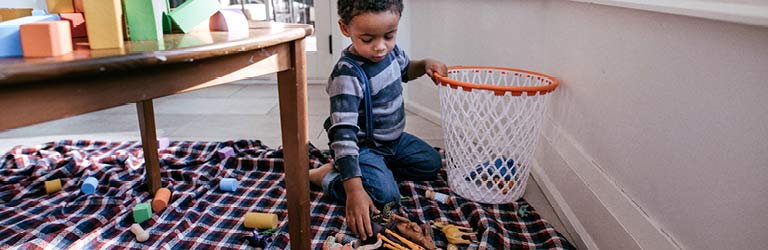
Choose tasks and associated rewards that align with the child’s age and capabilities. Start with straightforward jobs for younger children, such as putting away toys, and progress to more complex responsibilities, such as feeding a pet, as they grow older.
- Communicate the value of each task
When children understand that their individual contributions are vital to achieving a shared family dream, they feel valued and included. This clear communication about the importance of their role can create a sense of responsibility and ownership, while the acknowledgment of collective effort can strengthen family relationships.
- Structure tasks with milestones
Divide tasks into daily, weekly and monthly milestones, with varying reward scales. This approach may help maintain short-term motivation while illustrating the long-term value of consistent (and accumulated) effort.
- Choose reward types
Rewards for household contributions can take various forms. Beyond money, families might consider options such as extra screen time, choosing a special family activity, a small treat or extended play time.
Monetary rewards for chores can offer an opportunity to introduce financial management concepts early on, and a bank account designed for beginners can help teach kids important money lessons. See why a sum(1) Banking Account is a great way to set your child up on their financial journey.
- Encouraging initiative
Even with a clear list, extra tasks that aren't on it will sometimes pop up. Encouraging individuals to identify and complete additional chores independently can foster a habit of initiative and provide further opportunities for rewards.
- Visualising progress
A visual (and physical) aid, such as a chore/responsibility chart, sticker board or simple tracking sheet, can serve as a clear and encouraging tool. By providing a tangible way to mark off completed tasks or track accumulated efforts, children can see their progress building towards a goal.
This visible representation often makes the process feel more concrete, which can be highly motivating and help sustain engagement as they watch their accomplishments grow over time.
Use our free, editable responsibility chart to create a system of responsibility and reward in your household
Terms and conditions apply.
Disclaimer: This article is for information purposes only and does not constitute financial, tax or investment advice. Readers are strongly encouraged to seek financial or legal advice before making any decisions based on the content.
Standard Bank, its subsidiaries or holding company, any subsidiary of the holding company and all of its subsidiaries, make no warranties or representations (implied or expressed) as to the accuracy, completeness, or suitability of the content of this article. The use of the article and any reliance on the content is at the reader’s risk.
Related articles and media