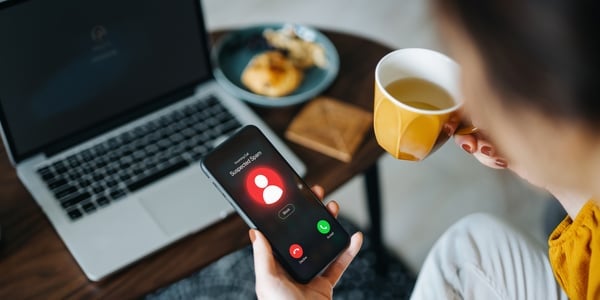
Simple ways to protect your identity and reduce fraud risk
Your personal information is valuable. From your identity document (ID) number and cellphone number to your banking details and passwords, this information helps verify your identity and gives you access to important services and accounts.
If this information falls into the wrong hands, criminals may use it to commit fraud, impersonate you or access your accounts without permission.
Protecting your personal information has become an important part of our digital footprint, whether you’re banking online, shopping digitally, using social media or responding to emails and phone calls.
It helps to know how scammers try to collect information and what you can do to reduce your risk.
What is identity theft?
Identity theft happens when criminals steal and use your personal information without your permission.
This information may include your:
- ID number
- Banking details
- Passwords or PINs
- One-time PINs (OTP)
- Physical documents
- Email addresses
- Cellphone numbers
Fraudsters may use stolen information to do the following:
- Open accounts in your name
- Access your bank accounts
- Apply for credit or loans
- Make purchases using your details
- Impersonate you online
Sometimes identity theft happens quickly. In other cases, criminals collect small pieces of information over time before attempting fraud.
Be careful about what you share online
Social media can reveal more than people realise.
A birthdate, school name, family photo, pet name or favourite place may seem harmless, but together, these details can help a fraudster guess passwords, answer security questions or impersonate you.
Try to do the following:
- Limit public posts that include personal information
- Check privacy settings on your accounts
- Avoid sharing travel plans, ID photos or card images
- Think twice before posting documents, tickets or forms
- Be cautious about quizzes or games that ask for personal details
If a post would help someone identify you, contact you or guess your passwords, it is worth keeping it private.
Watch out for phishing
Phishing is one of the most common ways criminals try to get personal information.
A phishing message may look like it comes from a bank, retailer, delivery company, government office or service provider. It may ask you to do the following:
- Verify your account
- Update your details
- Confirm a payment
- Reset a password
- Click a link to avoid suspension
These messages are designed to make you act fast. Stop and check the source first. Go directly to the official app or website instead. A real organisation should not pressure you into sharing sensitive information immediately.
Protect your information on your devices
Your phone and laptop can store a lot of personal data such as saved passwords, banking apps, documents, photos of IDs, email access and messages with account numbers or personal details.
To keep your information safer, you need to:
- Lock your device with a PIN, fingerprint or face recognition
- Keep your software updated on your cellphone and other electronic devices such as your laptop, computers and tablets
- Avoid using public Wi-Fi if you can
- Install apps only from trusted sources
- Remove old files and apps you no longer need
- Do not save sensitive documents in shared folders
Keep your documents safe
Identity theft often starts with access to paper documents or digital copies.
To reduce the risk:
- Store your ID, passport, cards and bank documents in a safe place
- Do not leave important documents lying around at home, work or in your car
- Shred old statements and papers that contain personal details
- Be careful when scanning or photographing documents
Delete saved copies from devices or email inboxes if you no longer need them
If you must share a document, only do so with a trusted organisation and only when it is necessary.
What to do if you think your information has been compromised
If you suspect your personal information has been exposed or stolen:
- Change affected passwords immediately
- Contact your bank as soon as possible
- Monitor your accounts closely
- Report suspicious activity
- Place additional security measures on important accounts
|
If you suspect you've been targeted by a scam or that you’ve been the victim of fraud on your bank accounts, call the Standard Bank Fraud Line on 0800 222 050 or report fraud on your Banking App:
|
Frequently asked questions
What should I do if I shared my OTP with someone?
Contact your bank immediately and, if possible, report fraud in your Banking App. Ask the bank what steps to take next, which may include securing your account, blocking a card or stopping a payment. Then change your passwords and check your accounts closely for any unusual activity.
Can identity theft happen without my bank card being stolen?
Yes, criminals can use stolen personal information obtained through phishing scams, data breaches or social engineering to commit fraud.
Is it safe to send copies of my ID digitally?
Only share identity documents when necessary and through trusted, secure platforms. Avoid sending sensitive documents through unsecured channels where possible.
Why do scammers ask for small pieces of information?
Fraudsters often collect information gradually to build a profile that can later be used to access accounts, impersonate victims or bypass security checks.
How can I tell whether a message is trying to steal my information?
Be cautious of messages that create urgency, ask you to click a link, request personal details or pressure you to act immediately. Always read the message thoroughly, contact the bank or trusted organisation directly.
Disclaimer: This article is for information purposes only and does not constitute financial, tax or investment advice. Readers are strongly encouraged to seek financial or legal advice before making any decisions based on the content.
Standard Bank, its subsidiaries or holding company, any subsidiary of the holding company and all of its subsidiaries make no warranties or representations (implied or expressed) as to the accuracy, completeness or suitability of the content of this article. The use of the article and any reliance on the content is at the reader’s risk.
Related articles and media