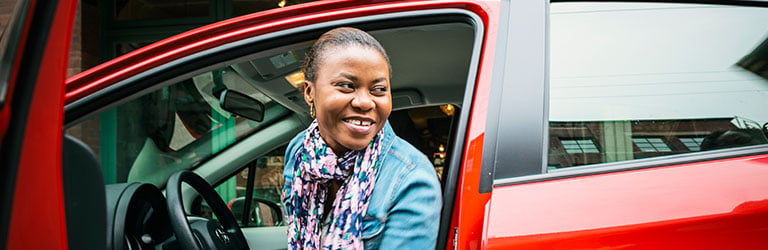
Thinking of buying a used car? Here’s your essential roadmap
Buying a used vehicle is a great option when shopping on a budget. In fact, used vehicle sales have been on a steady climb in South Africa over the past few years, according to NAAMSA.
As the prices of new cars continue to rise, it’s expected that more consumers will opt for the second-hand car market to find the perfect vehicle for their personal needs.
However, while used car prices can be friendlier on your pocket, there are some precautions to take into account.
Here are eight important tips to consider when buying a used car:
1. Know your budget
Before you even touch a steering wheel, figure out what you can comfortably afford. Set a realistic price limit and use an online calculator to estimate monthly instalments if you plan to finance.
It’s important to also remember that the real cost of a car isn’t just the sales price. You need to factor in fuel consumption, upcoming services, tyres, brake pads and, of course, insurance.
2. Private seller or dealership?
There’s no one-size-fits-all answer here.
Buying privately can mean better prices and more premium features for your budget. But with dealerships, you often get the comforting sense that there’s a company standing behind the quality of the car.
Whichever route you take, do your homework first. A little research can save you a lot of trouble later.
3. Researching a pre-owned dealership
If you’re leaning toward a dealership, look for one with a solid reputation. Organisations like the Retail Motor Industry (RMI) and the National Automobile Dealers Association (NADA) can point you to trusted outlets.
|
Tip: don’t underestimate the power of social media. Customer reviews often reveal everything you need to know about how a dealership treats buyers. |
4. Research the actual value of a used car
Don’t let guesswork guide your offer. Tools like the TransUnion Car Value Report give you the trade-in and retail “book values” of the car you’re eyeing.
These reports show how the vehicle’s value has changed over time and help protect you from paying more than you should. Just remember: some popular models cost more than book value, so use the report as a guide, not a fixed rule. It’s also a powerful negotiation tool.
5. Understanding running costs in South Africa
Once you’ve shortlisted a few models, start comparing their long-term costs. Look at mileage, service history, accident records, and whether the car comes with important extras like the spare key. Fuel consumption and parts prices matter too.
|
Tip: AA-Kinsey Reports are a great way to see how much different makes and models cost to maintain in SA. |
6. Making sure the car isn’t stolen
Whether you’re buying from a private person or a dealership, you have a right to check whether a vehicle is stolen, or has been stolen and recovered in the past. A vehicle verification will help you to see the status of the car you’re considering buying. All you need is the car’s VIN (Vehicle Identification Number), which can be found on a copy of NaTIS.
You may even consider letting a knowledgeable friend or family member know you are going to look at a car, particularly if you’re buying privately, to avoid being scammed on the test drive.
7. How to inspect a used car
A used car always comes with a history. The key is making sure it’s a good one.
Get an independent inspection to uncover any hidden mechanical issues. Platforms like Gumtree’s Buy Safe Sell Safe can assist with a DEKRA test and ownership verification. Even private sellers can arrange a DEKRA certificate for a small fee at testing centres nationwide. This step alone can save you thousands in unexpected repairs.
8. How to negotiate a used car deal
When you’ve done the research and found “the one,” it’s time to negotiate. Stay patient, your homework gives you the leverage to justify a lower price.
Remember: you can always walk away. If anything feels off or you’re being pressured, trust your instincts.
Once you settle on a price, you’ll sign an offer to purchase and may need to pay a small deposit, which is typically around 10%, depending on whether you’re paying cash or financing the vehicle.
Disclaimer: This article is for information purposes only and does not constitute financial, tax or investment advice. Readers are strongly encouraged to seek financial or legal advice before making any decisions based on the content.
Standard Bank, its subsidiaries or holding company, any subsidiary of the holding company and all of its subsidiaries, make no warranties or representations (implied or expressed) as to the accuracy, completeness, or suitability of the content of this article. The use of the article and any reliance on the content is at the reader’s risk.
Related articles and media